I’ve sat in enough call review meetings to know one thing.
Most businesses talk about relationships. Very few actually build them.
They buy CRMs. They automate emails. They design workflows with beautiful arrows and boxes.
And then they wonder why customers leave anyway.
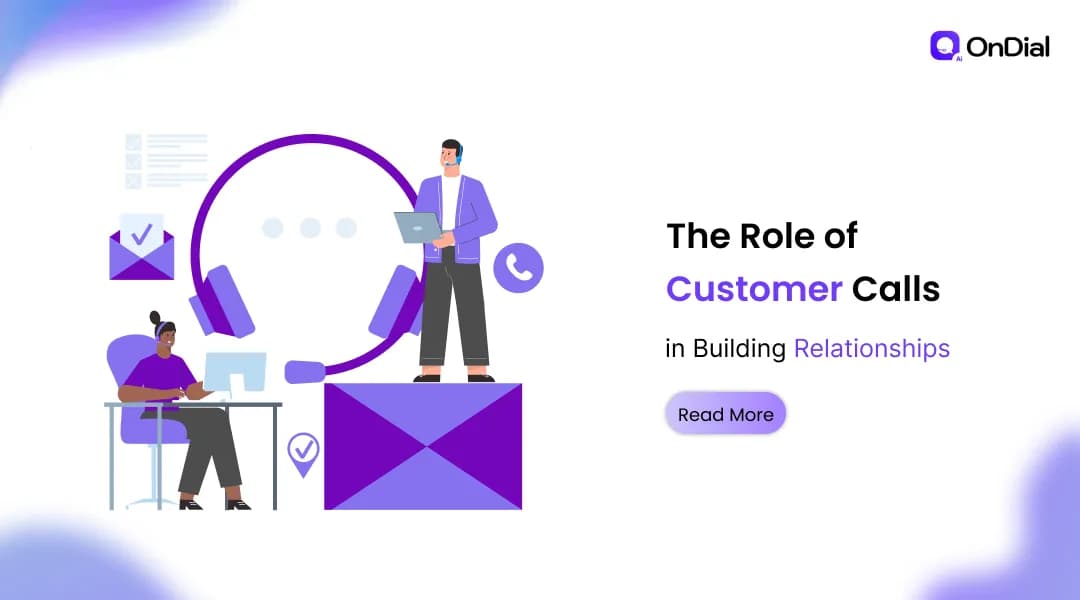
Let me say this plainly: customer calls are still the fastest path from transaction to trust.
Yes. Even now. Especially now.
If that makes you uncomfortable, good. It should.
What Are Customer Relationship Calls?
Not all calls are created equal. Some are noise. Some are gold.
Here’s how I categorise the ones that matter.
Sales Calls
These aren’t about pitching.
They’re about diagnosis.
A good sales call sounds less like persuasion and more like curiosity. When done right, it becomes the first brick in customer relationship building.
Support Calls
This is where trust is tested.
Customers don’t call support when they’re happy. They call when something broke. Or failed. Or disappointed them.
How you show up here matters more than any onboarding email ever will.
Follow-Up & Retention Calls
These are the calls most companies skip.
And they’re the ones that quietly decide whether a customer stays for years—or disappears without drama.
Why Customer Calls Are Critical for Relationship Building
Here’s the uncomfortable truth.
Text hides intention. The voice reveals it.
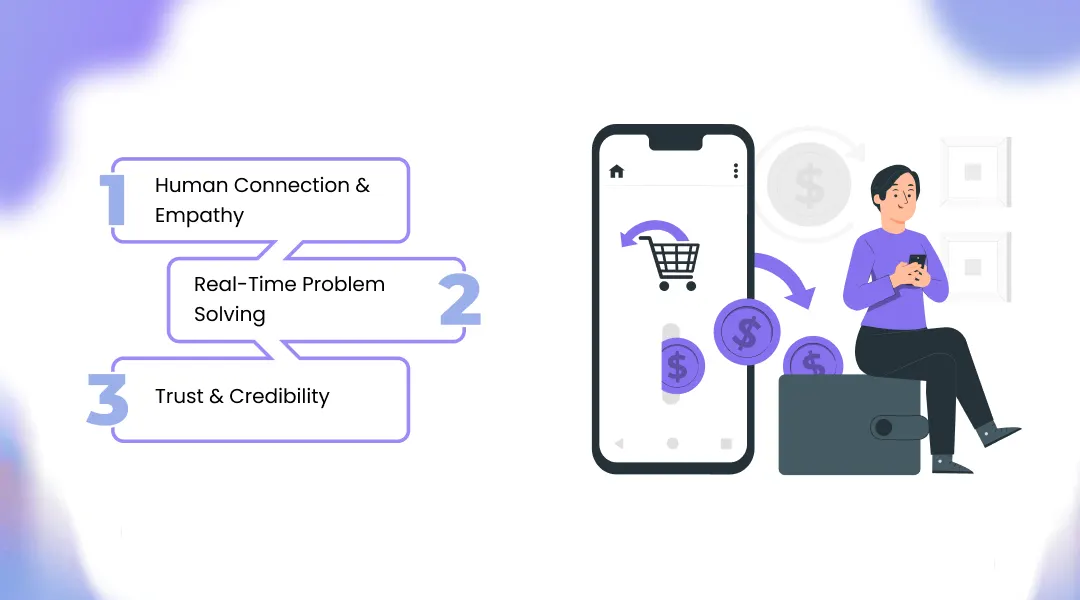
Human Connection & Empathy
Tone carries meaning that words never can.
A pause. A sigh. A moment of hesitation.
That’s where empathy lives.
Real-Time Problem Solving
Email stretches a five-minute fix into a three-day thread.
Calls compress time. They remove friction. They build confidence.
Trust & Credibility
Trust isn’t built by saying the right thing.
It’s built by responding correctly when the conversation goes off-script.
And it always does.
How Customer Calls Strengthen Trust and Loyalty
This is where most teams get it wrong.
They talk. Too much.
Active Listening
I tell teams this constantly: If you’re talking more than the customer, you’re losing.
Silence isn’t awkward. It’s useful.
Personalised Conversations
Real personalisation isn’t using someone’s name.
It’s remembering context. History. Emotion.
That only shows up in real conversations.
Emotional Intelligence in Calls
The best agents don’t follow scripts.
They read humans.
(Yes, that skill can be trained. And yes, it can be supported by AI—more on that later.)
Customer Calls vs Digital Communication: What Works Better?
Let’s settle this.
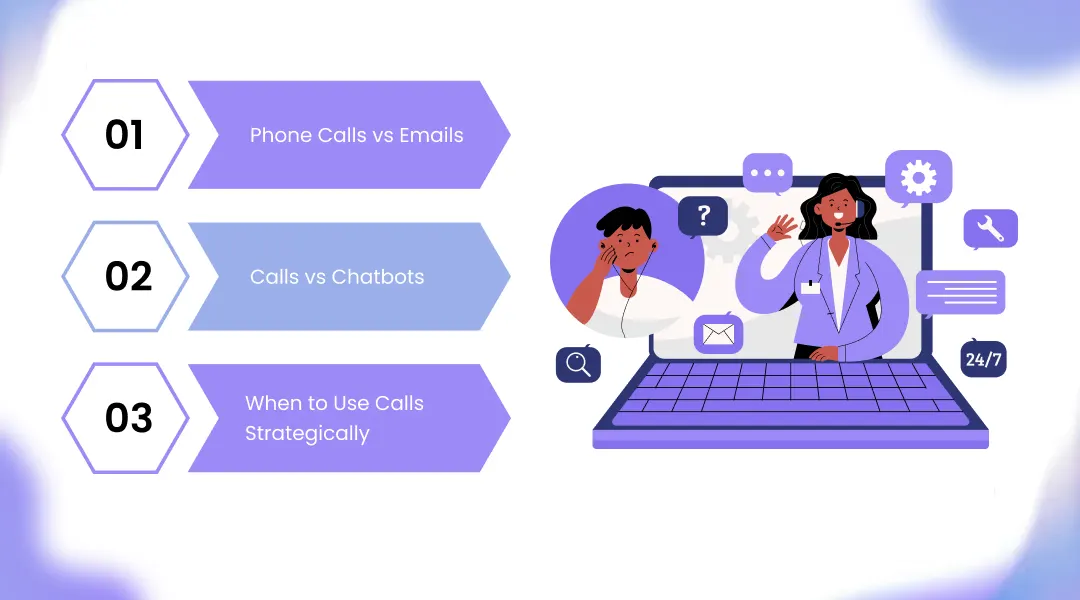
Phone Calls vs Emails
Email is great for:
- Documentation
- Summaries
- Scale
Calls are better for:
- Complexity
- Emotion
- Resolution
Different tools. Different jobs.
Calls vs Chatbots
Chatbots handle volume. Calls handle value.
When stakes are high - renewals, escalations, objections - voice wins.
When to Use Calls Strategically
Use calls when:
- A decision is stuck
- A relationship feels fragile
- A customer sounds uncertain (even if they haven’t said it)
Trust your instincts. They’re usually right.
Best Practices for Effective Customer Relationship Calls
This is where execution separates amateurs from professionals.
Preparation Before Calling
Know:
- Their history
- Their last interaction
- Why this call exists
Winging it is disrespectful.
Asking the Right Questions
Avoid: “Yes or no” questions.
Ask: “What changed?” “What’s worrying you?” “What does success look like now?”
Tone, Clarity & Empathy
You can be honest without being harsh. Clear without being cold.
Your voice sets the emotional temperature.
Post-Call Follow-Ups
A call without a follow-up is a broken promise.
Summarise. Confirm. Commit.
Every time.
Role of Customer Calls in Sales & Customer Retention
This is where revenue quietly grows.
Relationship-Based Selling
People don’t buy because they’re convinced.
They buy because they feel understood.
Upselling & Cross-Selling Through Calls
The best upsells sound like help.
Because they are.
Reducing Churn with Proactive Calls
Most churn is emotional before it’s logical.
Call early. Listen carefully. Act fast.
Using CRM & Technology to Improve Customer Calls
Technology shouldn’t replace conversations.
It should protect them.
Call Tracking
Patterns matter. Not just outcomes.
Call Recordings & Insights
The truth is in the playback.
What customers say when they think no one’s analysing—that’s gold.
CRM Integration
When CRM, Customer Calls, and context meet, teams stop guessing.
This is where tools like AI Phone Calls and AI Voice Assistants start supporting humans instead of replacing them. At OnDial, I’ve seen how the Role of AI Call Agents becomes amplification—not imitation—when built thoughtfully.
Conclusion
Customer calls aren’t old-fashioned.
They’re human.
And humans still decide who they trust.
Automate wisely. Call intentionally. Listen deeply.
That’s how relationships are built. One conversation at a time.